Callyx Blog
Insights for AFSL Professionals
Compliance guides, operational intelligence, and industry commentary for Australian financial services professionals.

What Your Phone System Reports Natively, and What Sits Outside It
A hosted phone system reports volume, timing, reachability and staff activity across every call. It does not describe what was said. Here is where that line sits.
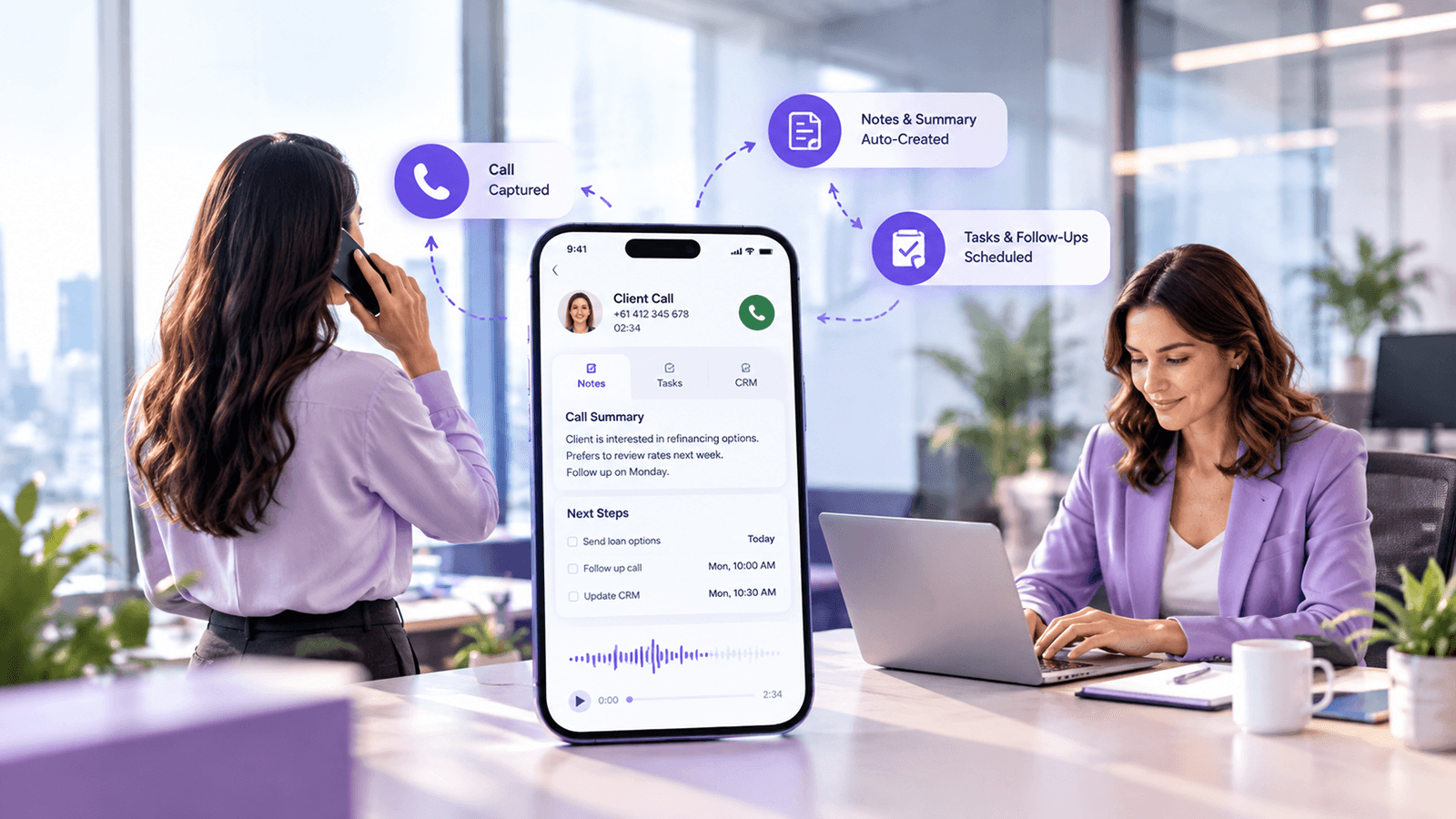
Automating the Admin That Follows Every Client Call
Every client call in a brokerage is followed by a short sequence of administrative tasks, and it is one of the more predictable parts of the working day, tending to grow with call volume.

Building a High-Performing Brokerage Team
A brokerage is judged one conversation at a time, and no client experiences the team average. What a shared standard contains, and how it moves across a team.

Missed Calls in a Brokerage: What They Cost and How to See Them
An unanswered call at renewal or claim time behaves differently from any other unanswered call. Here is where they collect, and how to size the cost yourself.

KPIs for Insurance Brokers: What to Measure Beyond Revenue
Revenue per broker arrives a quarter after the conversations that produced it. Four categories of measure that sit closer to the work, and which ones bend under a target.

What Your Call History Data Says About Your Brokerage
What a MaxoTel call detail record contains, how to export it as CSV or JSON, and the five views worth building first from a month of brokerage call history.
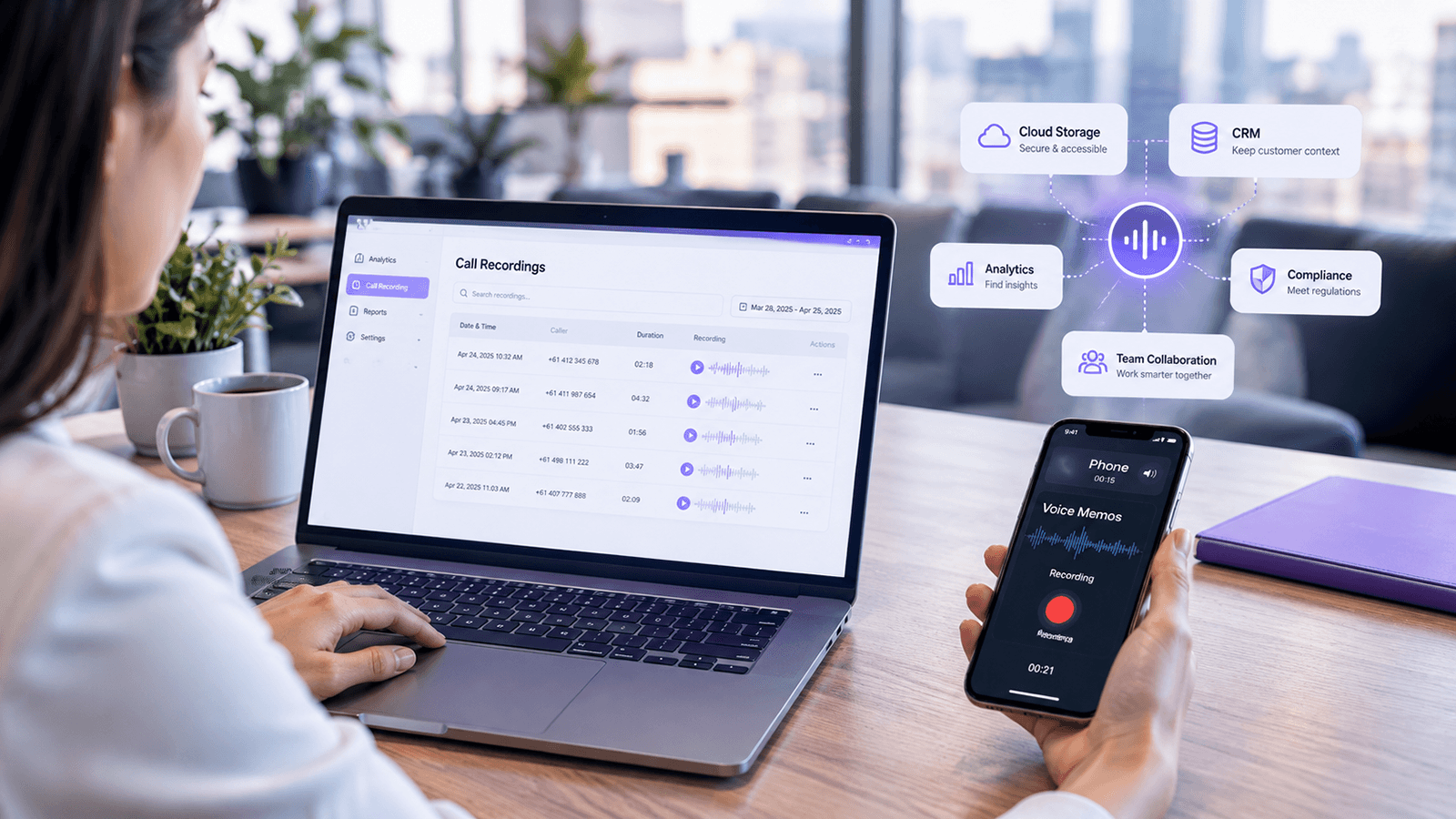
Where Your MaxoTel Call Recordings Go, and What to Do With Them Next
A recorded call is attached to its entry in Call History and survives for as long as two retention settings allow. Where the backup copy goes decides what you can produce years later.

Where the Phone Time Goes in a Brokerage
A brokerage phone system counts calls and times them. It does not count the work each call creates, which is the part that sets what a broker can carry in a day.

Giving Feedback on Client Calls Without Micromanaging
Call review can read as development or as supervision, and the difference is a design choice. What separates coaching from monitoring, and how to build a programme your team will bring their difficult calls to.

Call Queues and Ring Groups for a Brokerage: Routing That Matches How You Work
New business, renewals, claims and service calls arrive on one number and carry different urgency. Here is how to route each one to the people and the order that suit it.

The Call Metrics That Tell You How Your Brokerage Is Running
Six call metrics a brokerage can read from its own phone system, what each one says about the business, and why they are read as a set rather than one at a time.

Phone Skills for Insurance Brokers: The Conversations That Decide a Renewal
A renewal call has to confirm terms, explain a premium movement and revalidate cover against a business that has changed since last year. This article sets out the structure that holds up under pressure.

Growing a Brokerage Without Losing Visibility
Visibility in a small brokerage is a by-product of proximity, and it is the first thing growth takes away. Here is what replaces it.

What Separates a Great Insurance Broker From a Good One
Every broker on the team clears the same technical bar. The difference clients notice shows up in four observable behaviours during the conversation itself.

MaxoTel for Insurance Brokers: Setting Up a Phone System That Produces Usable Data
A hosted phone system keeps two separate kinds of record about the calls it handles. What each one can tell you six months later depends on how the system was configured at setup.

RegTech in Australia: How Technology Is Transforming Compliance
RegTech has grown in relevance against a more active ASIC enforcement backdrop. Here is what it actually solves for AFSL holders, where it falls short, and how to evaluate a platform against your own compliance programme.

How to Build a Customer Service Training Program for a Brokerage
Generic customer service training gives staff a foundation in professional conduct. What it rarely gives them is the specific knowledge, language and judgement they need to handle the kinds of conversations that define service quality in an insurance brokerage.

What Is an AFSL and What Are Your Obligations as a Licence Holder?
Holding an AFSL means more than having a licence on the wall. Here is what your brokerage must manage day-to-day, and where gaps commonly appear.

How to Improve Productivity in a Financial Services Business
The biggest productivity drains in a brokerage are structural. Here is where time actually goes and the workflow changes that return the most capacity.

The Hidden Cost of Manual Call Reviews in a Growing Brokerage
Manual call review has a cost that is easy to overlook. Here is how to calculate it, and what changes once coverage stops depending on headcount.

Speech Analytics: What It Is and How Insurance Brokers Can Use It
Speech analytics turns recorded calls into structured, searchable data on what was actually said, not just a transcript of it.

AFSL Monitoring Requirements: What Every Licensee Must Have in Place
Under s.912A(1)(ca) of the Corporations Act, every AFSL holder must systematically monitor their representatives. Here's what adequate monitoring actually requires — and where most firms fall short.

Sales Enablement for Financial Services: What It Is and Why It Matters
Sales enablement is continuous, data-driven support for a sales team, not a single training event. Here is what that means for a financial services brokerage and its brokers.

The Compliance Checklist Every Insurance Broker Needs Before an Audit
Most brokerages that fail an ASIC compliance audit already had a compliance framework in place. What they lacked was evidence that the framework was being applied, call by call and file by file.

Insurtech Australia: The Tools Changing How Brokerages Work in 2026
Insurtech in Australia has moved past the hype cycle into practical adoption. Here is what it actually solves for brokerages, where implementations fail, and how to evaluate a new tool before buying it.

Call Recording Compliance in Australia: What the Law Requires
Call recording compliance in Australia is not one law. It is a federal record-keeping obligation sitting on top of a state-by-state consent framework that genuinely differs depending on where the client is.

How Workflow Automation Is Changing the Way Brokerages Operate
Workflow automation in insurance broking has moved well past quoting and policy issuance into the post-call layer: the documentation, follow-up and compliance work that used to depend entirely on manual effort. This article looks at why isolated automation wins rarely last, and what changes once automation and compliance are designed as one system.

How Call Monitoring Software Is Replacing the Shadow Shift
Many insurance brokerages train new starters by pairing them with a senior broker for a shift or two of shadowing, then trusting that the calls the new starter happened to sit in on were the right ones to learn from.

What Is Voice of the Customer and How Do You Capture It at Scale?
Voice of customer is the systematic capture of what clients actually think, feel and need, not just what they report on an annual survey. For insurance brokerages, the richest and least used source of that signal is already sitting in every recorded advice and renewal call.

ASIC Compliance Requirements Every Insurance Broker Should Know in 2026
ASIC has named claims and complaint handling failures by insurers among its new 2026 enforcement priorities. Here is what that means for insurance brokers, and what a compliance programme needs to demonstrate.

Quality Assurance for Insurance Brokers: Beyond Random Call Sampling
Quality assurance in many client-facing businesses, insurance brokerages included, is still built around a small monthly sample, leaving the majority of client conversations unreviewed. This article sets out what full call coverage looks like in practice, and how it differs from and complements compliance monitoring.

How to Identify Your Top Performer and Replicate What They Do
Every brokerage has a standout performer. Few can explain, in specific terms, what that person actually does differently on a call.

What Does a Compliance Officer Actually Do in a Financial Services Firm?
A compliance officer in a financial services firm is not simply a policy administrator. This guide explains what the role actually covers, where it intersects with principal accountability, and what tools are needed to make it work in 2026.

Business Profitability for Insurance Brokers: The Levers You Control
Most brokerage profitability conversations start and end with revenue, but three levers actually determine margin: compliance exposure, staff performance variance and process cost.

AFSL Call Recording Requirements: The Complete 2026 Guide
AFSL holders must retain records of personal advice for a minimum of seven years under ASIC Corporations Instrument 2024/508. This guide covers what the law actually requires, what ASIC looks for, common compliance gaps, and what leading firms are doing with their compliance recordings.

How to Improve the Customer Experience in Insurance Without Hiring More Staff
Many client experience gaps in insurance brokerages are caused by inconsistent execution and limited visibility into client conversations, rather than by insufficient headcount. This article sets out where those gaps arise and how to close them without adding to your payroll.

The Hidden Compliance Risk in Your Team's Phone Calls
Most insurance brokerage compliance programmes focus on documents. The risk that accumulates in verbal advice conversations often receives less attention, even though client interactions are frequently where conduct obligations are tested in real time.

Staff Performance Reviews That Are Actually Based on Evidence
Most performance reviews in insurance brokerages rely on a manager's memory rather than a complete record of performance. Here is what a review process built on documented call evidence actually looks like.

Client Retention Strategies That Work for Insurance Brokerages
Acquiring a new insurance client can cost seven to nine times more than retaining an existing one, yet retention is often an underused growth lever in a brokerage. This article outlines the conversation patterns that can indicate retention risk, why renewal calls alone are not enough, and what a proactive retention programme looks like in practice.

Best Interests Duty for Insurance Brokers: What It Means in Practice
Best interests duty is the advice standard most likely to trigger an ASIC enforcement action against an insurance brokerage. Here is what compliance actually requires, and where the record most often falls short.

Employee Onboarding for Insurance Brokerages: A Better Way
Most brokerage onboarding programmes are built to get a new starter through their first week, not their first year. Here is what a structured, call-based programme looks like instead.

What Is Revenue Intelligence and Why Should Brokers Care?
Revenue intelligence turns your existing call recordings into business signals: renewal risk, conversion patterns, churn indicators and performance benchmarks, without a separate data team.

Duty of Disclosure: What Insurance Brokers Must Tell Their Clients
Disclosure obligations in an insurance brokerage sit in two areas: what brokers tell clients, and what clients tell insurers. Here is what changed in 2021.

How to Use Call Recordings to Train New Staff Faster
New broker induction programmes lean heavily on role-play, but it cannot replicate what happens on a live client call. Here is how to build an induction library from the calls your team is already recording.

Process Automation for Insurance Brokers: Where to Start
A practical framework for identifying your highest-value automation opportunities, the five post-call tasks worth targeting first, and the patterns that most often slow automation programmes down in the first year.

How to Prepare for an ASIC Compliance Review Without Losing Sleep
If ASIC reviewed your brokerage tomorrow, would your records tell the right story? Here is what they look for, where most firms have gaps, and how to get ready.

How to Coach Insurance Staff When You Can't Be in Every Conversation
Coaching insurance staff at scale requires more visibility than observation alone can provide. Call data gives your coaching programme a real evidence base.